Yes – desert safari in Dubai is safe when booked with a DTCM-licensed operator. Dubai’s tourism authority mandates GPS-tracked convoy vehicles, RTA-certified drivers, mandatory seatbelts, and passenger insurance on every tour. The vast majority of tourists complete desert safaris without any incident. Risks increase significantly only with unlicensed, unregulated operators.
In 2025, a desert safari vehicle flip made headlines across travel forums and spiked safety searches by tens of thousands of tourists planning Dubai trips. The incident was linked to an unlicensed operator with no convoy support – not a regulated tour company. Since then, Dubai’s Department of Economy and Tourism (DET) tightened its regulations further, making 2026 the most regulated year in desert safari history.
If you are planning a trip and asking whether Is desert safari safe in Dubai? the answer is yes – but the operator you choose determines everything. This guide explains exactly what the 2026 safety rules require, what makes dune bashing safe or risky, who should avoid certain activities, and how to verify you are booking with a legitimate, licensed company.
Why Desert Safari in Dubai Is Safe: The 2026 Regulations Explained
Dubai does not leave adventure tourism unregulated. Every desert safari operator must hold a valid tourism license from the Dubai Department of Economy and Tourism (DET) and comply with standards set jointly with the Roads and Transport Authority (RTA). These are not voluntary guidelines – violations result in immediate license suspension.
Here is what every licensed operator must provide by law in 2026:
Vehicles: Only late-model Toyota Land Cruisers and Nissan Patrols with reinforced frames, roll cages, and functioning seatbelts for every passenger seat are permitted. Vehicles undergo mechanical inspection every two weeks before they are cleared to operate.
Drivers: Every safari driver must hold both an RTA driving license and a desert safari permit, which requires passing a specialised off-road terrain course. Recertification happens every six months. Drivers who fail do not operate.
GPS and Convoy: Every vehicle carries active GPS tracking visible to the operator’s base camp throughout the tour. No vehicle is permitted to operate alone – licensed tours run in convoys of at least three vehicles with radio communication maintained between them at all times.
Insurance: Passenger insurance covering incidents during tour activities is mandatory. Standard coverage is AED 1,000,000 per person.
Safety Briefing: Before any dune bashing begins, drivers are required to give passengers a safety briefing covering seatbelt use, hand positions, and motion sickness management.
One technical detail that separates trained drivers from untrained ones: before entering soft sand terrain in the Lahbab Desert, certified drivers stop and reduce tire pressure from standard road pressure to approximately 18-20 PSI. This improves traction on loose sand and significantly reduces the risk of the vehicle losing control on a dune face. Unlicensed operators routinely skip this step.
Is Dune Bashing Safe in Dubai?
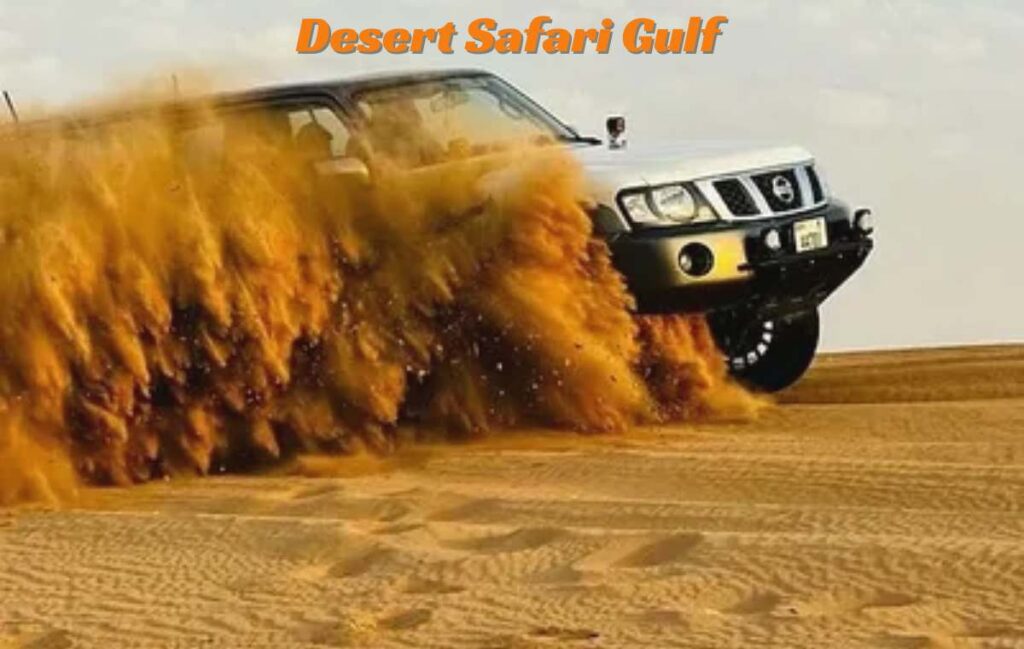
Dune bashing means driving a 4×4 vehicle at speed up, over, and down sand dunes – and yes, it is the part of a desert safari that generates the most safety questions.
With a licensed, RTA-certified driver operating within DTCM regulations, dune bashing is safe for most healthy adults. Drivers are trained to control ascent angles (typically limited to 30 degrees on standard tours), read the sand surface for soft patches, and adjust speed based on the conditions of each specific dune. They also monitor passengers throughout the drive and will slow down or stop if anyone signals discomfort.
The 2025 incident that generated media coverage involved a vehicle returning from a desert area with a driver who was not part of a licensed convoy – no base camp contact, no GPS tracking, no backup vehicle. This is the profile of almost every desert safari incident you will find reported. Licensed, regulated tours operate in an entirely different environment.
| Factor | Licensed Operator | Unlicensed Operator |
|---|---|---|
| Vehicle condition | Inspected bi-weekly, roll cage | Unverified, aging fleet |
| Driver certification | RTA-certified, 200+ hour training | No certification required |
| Convoy | Minimum 3 vehicles, radio comms | Solo vehicle |
| GPS tracking | Active, monitored by base camp | None |
| Passenger insurance | AED 1M mandatory | None |
| Safety briefing | Required before bashing | Not provided |
Who should skip dune bashing entirely:
- Pregnant women at any stage of pregnancy
- Anyone with serious back or neck injuries
- People with heart conditions or high blood pressure
- Children under 3 years old
- Anyone with severe motion sickness who prefers not to medicate
For everyone in this group, a desert safari is still completely enjoyable – see the section below on alternatives to dune bashing.
What Happens If Something Goes Wrong in the Desert?
This is the question nobody on the internet answers properly – and it is the one that matters most.
When a vehicle in a licensed convoy breaks down or a passenger feels unwell, the entire convoy stops immediately. The lead driver contacts the operator’s base camp by radio and reports the situation. Base camp coordinates with Dubai Police (999) and Dubai Ambulance (998) if needed. The Lahbab Desert area, where most Dubai desert safaris operate, has mobile network coverage throughout, which means emergency calls can also be made directly.
All licensed operators carry first-aid kits on every vehicle and must have at least one first-aid trained staff member present per convoy. In the event of a vehicle incident, the convoy structure means backup vehicles are never more than minutes away.
This protocol is why licensed tours have an entirely different safety record to the incidents that occasionally appear in news coverage – those incidents almost universally involve solo unlicensed vehicles with no base contact and no backup.
Desert Safari Safe for Families and Kids in Dubai
Families make up the majority of desert safari bookings, and the tour structure reflects that. Here is what is available for children at different ages:
| Child’s Age | What They Can Do | What to Skip |
|---|---|---|
| Under 3 | Desert camp visit, cultural performances, BBQ dinner | All vehicle activities |
| Ages 3-5 | Soft/gentle dune drive (slow, flat terrain), supervised camel ride | Aggressive dune bashing |
| Ages 5-12 | Full safari with safety harness | Quad biking |
| Ages 12 and above | All activities with parental consent | Nothing with supervision |
Child safety seats are available on request for young children. For families who want to set their own pace, a private family safari is the recommended choice – the driver adjusts the intensity and timing entirely to your group, and there is no pressure from other passengers in a shared vehicle.
One practical tip for families: if you have a child who tends toward motion sickness, ask for your group to be seated in the middle row of the Land Cruiser rather than the back row, where the movement is most pronounced.
Is Desert Safari Safe for Pregnant Women?
The answer depends entirely on which activities are involved.
Safe during pregnancy (all trimesters):
- Desert camp visit
- Watching live cultural performances (Tanoura dance, fire show, live music)
- BBQ dinner under the stars
- Stargazing and photography
First trimester only, with written operator approval:
- Short supervised camel ride on flat ground
Avoid during pregnancy:
- Dune bashing at any intensity – the vibration, sudden movements, and compression forces carry real medical risk regardless of speed
- Quad biking
- Sandboarding
Most operators accommodate pregnant guests with a camp-only experience at no additional charge. The BBQ, cultural performances, and sunset in the Lahbab Red Dunes are genuinely beautiful – many guests say the camp experience is the highlight of their entire Dubai trip. Always tell your operator at the time of booking, not on the day.
Is Desert Safari Safe for Seniors?
Yes, with the right package. Many travelers over 60 enjoy desert safaris regularly.
For seniors, the most comfortable and safe option is a VIP or premium camp experience – air-conditioned tent or majlis seating, premium BBQ dinner, all the cultural performances, and optional soft dune drive (gentle, slow driving on flat sand, not aggressive dune bashing).
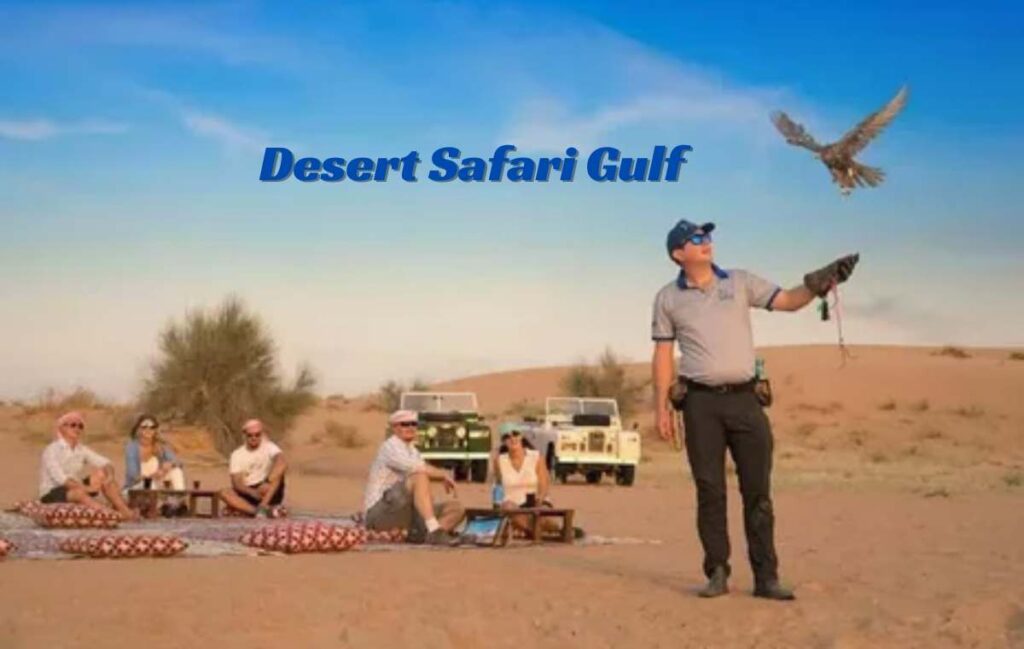
What most seniors safely enjoy: camel rides of 5–10 minutes with a handler present, the Tanoura and belly dancing performances, falconry demonstrations, and henna art.
What most seniors should consider skipping: high-intensity dune bashing, quad biking (particularly anyone with balance concerns or cardiovascular conditions).
If you have any medical conditions, inform the operator when you book. A reputable company will offer you a suitable alternative without pressure.
Is Quad Biking Safe on a Desert Safari in Dubai?
Quad biking is offered as an add-on activity by many operators and has its own safety profile separate from dune bashing.
With a licensed operator, quad biking takes place in a supervised, designated zone with a trained instructor present. Helmets are mandatory. Speed limits in supervised areas are enforced. Age minimum is typically 16 years old.
What makes quad biking riskier than other safari activities:
- Self-operated vehicle (unlike dune bashing where a professional drives)
- Higher individual speed on open terrain
- More dependent on the participant’s own judgment
Who should avoid quad biking:
- Children under 16
- Anyone with heart conditions
- Anyone with limited physical strength or coordination
If quad biking is on your agenda, specifically ask the operator about the supervision setup, the zone boundaries, and whether helmets are provided before you book. This is an area where operator quality varies more than on the main safari drive.
Desert Safari Without Dune Bashing: Safest Options in 2026
Many travelers come to Dubai specifically wanting the desert experience but wanting to skip or minimise dune bashing. This is completely possible and results in an equally memorable evening.
Camp-only experience: Travel to the desert camp in a standard vehicle (no off-road bashing), spend the evening at the camp with BBQ dinner, cultural performances, camel rides, and stargazing. Ideal for pregnant travelers, seniors, families with very young children, and anyone who prefers a calmer experience.
Soft dune drive: A short, gentle drive over flat or low dunes at slow speed. No aggressive climbs or descents. Gives you the feel of the desert terrain without the intensity of a standard bashing session. Many operators offer this on request.
Dune buggy with roll cage: Self-driven buggies with full roll cage protection, supervised course, lower speeds. Some travelers who are nervous about dune bashing in a Land Cruiser find a controlled buggy experience more comfortable.
How to Choose a Safe Desert Safari Operator in Dubai
This is where most bad experiences start – booking with an operator who cuts corners on the standards listed above.
Step 1 – Verify the DTCM license. Every legitimate desert safari company holds a tourism license from Dubai’s Department of Economy and Tourism. Ask for the license number directly. Trustworthy operators share it immediately. You can check licensing status at the official DET portal at dubai.com.
Step 2 – Check the vehicle fleet. Ask what vehicles are used. Late-model (2018 or newer) Toyota Land Cruisers or Nissan Patrols are the standard. Vague answers or older vehicle descriptions are a warning sign.
Step 3 – Confirm the convoy policy. Ask directly: “Do your vehicles operate in convoy?” Any answer other than yes should end the conversation.
Step 4 – Read reviews across two platforms. Check both Google Reviews and TripAdvisor. Look for consistent 4.5-star ratings across a large number of reviews, with detailed mentions of driver quality and safety. Be cautious of profiles with only five-star short reviews – these can be manufactured.
Step 5 – Avoid cash-only offers. Airport kiosk deals, street touts, and cash-only WhatsApp bookings are the profile of unlicensed operators. A legitimate company has a bookable website, a confirmation email, and contactable customer service.
Pricing note: quality licensed evening desert safaris in Dubai are typically priced between AED 150 and AED 350 per person for shared group tours, and AED 400 to AED 700 for private tours. Prices below AED 120 for a group safari are a red flag.
Is Dubai Safe for Tourists Right Now? (2026)
If recent regional news has made you uncertain about travelling to Dubai, here is the factual position.
Dubai operates as a politically neutral international destination and has not been affected by regional conflicts. The UK Foreign, Commonwealth & Development Office (FCDO) publishes live travel advisories for the UAE at gov.uk/foreign-travel-advice/united-arab-emirates. The US State Department publishes its UAE advisory at travel.state.gov. At the time of writing, both rate the UAE at their standard advisory level with no elevated warnings.
Dubai International Airport continues to operate as one of the world’s busiest international hubs, which is a reliable real-time indicator of normal international tourism flow.
Desert safari operations are running entirely normally in 2026, with no disruption to tours, camps, or operator licensing.
Desert Safari Safety Tips: Before, During and After Your Tour
Before you go:
- Book with a DTCM-licensed operator and get written confirmation
- Tell the operator about any medical conditions when booking, not on the day
- Eat a light meal before departure – a full stomach worsens motion sickness during bashing
- Apply SPF 50 sunscreen 30 minutes before pickup and bring it with you
- Drink water before you feel thirsty – you are already dehydrated by the time thirst hits in desert heat
What to wear: Light, breathable clothing covering shoulders and knees works best for the climate and is respectful of local culture. Closed-toe shoes are essential – the sand gets extremely hot and desert terrain requires grip. Flip-flops are a genuine safety issue, not just a comfort one.
During the safari:
- Wear your seatbelt throughout dune bashing – not optional
- Keep hands and arms inside the vehicle at all times
- Tell your driver immediately if you feel unwell – a good driver will stop without hesitation
- Keep children seated and secured throughout any vehicle activity
- At the camp, maintain safe distances from fire shows and live animals
Emergency contacts:
- Dubai Police: 999
- Dubai Ambulance: 998
Best Desert Areas in Dubai for Safari
Lahbab Desert (Red Dunes) – 45–50 km southeast of Downtown Dubai via Emirates Road, exit near Lahbab Road. The sand here gets its distinctive deep red colour from iron oxide content. Dunes in this area reach up to 100 metres in height, making it the premier destination for dune bashing and photography. This is where the vast majority of evening safari tours operate. Best departure time: 3:00–3:30 PM to catch the sunset over the dunes.
Dubai Desert Conservation Reserve – A protected reserve that only licensed operators with special permits can access. Lower dune height and calmer terrain make it ideal for families and wildlife-focused morning desert safaris. Arabian oryx, gazelles, and sand cats are occasionally spotted here.
Al Qudra Desert – Approximately 30 km from central Dubai. Flatter terrain with smaller dunes. Best suited for beginners, those who want a gentle introduction to the desert experience, or morning safaris where the softer light rewards photography.
People Also Ask: Desert Safari Safety Dubai
Is desert safari in Dubai safe for tourists?
Yes. Dubai’s Department of Economy and Tourism licenses and regulates all operators, requiring GPS-tracked convoys, RTA-certified drivers, mandatory seatbelts, and passenger insurance. The vast majority of tourists complete desert safaris without incident. Risks are concentrated in unlicensed, unregulated tours.
Is dune bashing safe in Dubai?
With a licensed operator, yes. RTA-certified drivers are trained for off-road desert terrain and vehicles carry roll cages and GPS tracking. Risks increase significantly with unlicensed operators, which is why verifying your operator’s DTCM license before booking matters.
Is desert safari safe for kids in Dubai?
Yes, for children aged 3 and above with appropriate activities. Children under 3 should stick to camp-only visits. Operators provide child safety seats on request and can adjust drive intensity based on the children in the vehicle.
Is desert safari safe for pregnant women?
Camp visits, cultural performances, and BBQ dinner are safe throughout pregnancy. Dune bashing, quad biking, and sandboarding should be avoided. Tell your operator when booking and they will arrange a suitable alternative at no extra charge.
What is the safest type of desert safari in Dubai?
A private safari with a licensed operator gives the highest safety level – you set the pace, the driver adjusts to your group, and there is no pressure from other passengers. For the most sensitive travelers, a camp-only experience skips vehicle bashing entirely.
What should I avoid on a desert safari in Dubai?
Avoid unlicensed operators, cash-only deals with no written confirmation, prices significantly below AED 150 for a group tour, operators who cannot provide a DTCM license number, and any tour that does not include a pre-trip safety briefing.
Is Dubai safe for tourists right now in 2026?
Yes. Both the UK FCDO and US State Department maintain standard advisory levels for the UAE with no elevated warnings. Dubai International Airport continues to operate as one of the world’s busiest hubs. Desert safari operations are running normally.
How do I verify a desert safari operator is DTCM licensed?
Ask the company for their tourism license number and verify it at Dubai’s official DET portal (dubai.com). Legitimate operators display their license number openly on their website and will confirm it immediately when asked.
Can I do a desert safari and skip dune bashing entirely?
Yes. Most licensed operators offer a camp-only experience or a soft dune drive for guests who prefer not to do aggressive bashing. This includes a drive to the desert, BBQ dinner, camel rides, cultural performances, and stargazing – all without off-road vehicle activity.
What do I do if I feel sick during dune bashing?
Signal your driver immediately – raise your hand or say stop. Licensed drivers stop without question. You are never expected to continue if you are uncomfortable. Sitting in the front passenger seat and focusing on the horizon can reduce motion sickness. For known motion sickness sufferers, taking medication one hour before departure helps significantly.
What is the difference between a shared and private safari for safety?
Both use licensed operators and the same vehicles. The practical safety difference is pace – a private safari adjusts entirely to your group. You can slow down, skip activities, or take breaks without affecting other passengers. For families with young children, pregnant travelers, and seniors, private is the recommended choice.
What is the best time of year for a desert safari in Dubai?
October through April offers the most comfortable temperatures (20–30°C). Safaris run year-round, but June through August brings extreme heat. Evening safaris during summer depart around 3:30 PM when temperatures begin dropping from their daytime peak.
How much does a safe licensed desert safari cost in Dubai?
For group/shared evening safaris: AED 99-250 per person. For private safaris: AED 300-600 depending on group size and inclusions.
Is Desert Safari Safe in Dubai?
Yes – and 2026 is genuinely the safest year to book a desert safari in Dubai. The combination of mandatory DTCM licensing, RTA driver certification, GPS convoy requirements, and regular vehicle inspections creates an environment where the vast majority of tourists complete their safari safely and without incident.
One condition applies: book with a licensed, verified operator. The incidents that make headlines are almost always linked to unlicensed operations – not the regulated tour companies that serve the vast majority of Dubai’s visitors.
Desert Safari Gulf is fully DTCM-licensed, operates all tours in GPS-tracked convoys, and has served thousands of families, solo travelers, and first-time visitors from around the world. If you have a specific health concern or want to discuss which package is right for your group, our team is available before you book.
Is desert safari in Dubai safe? Yes. Book with confidence.